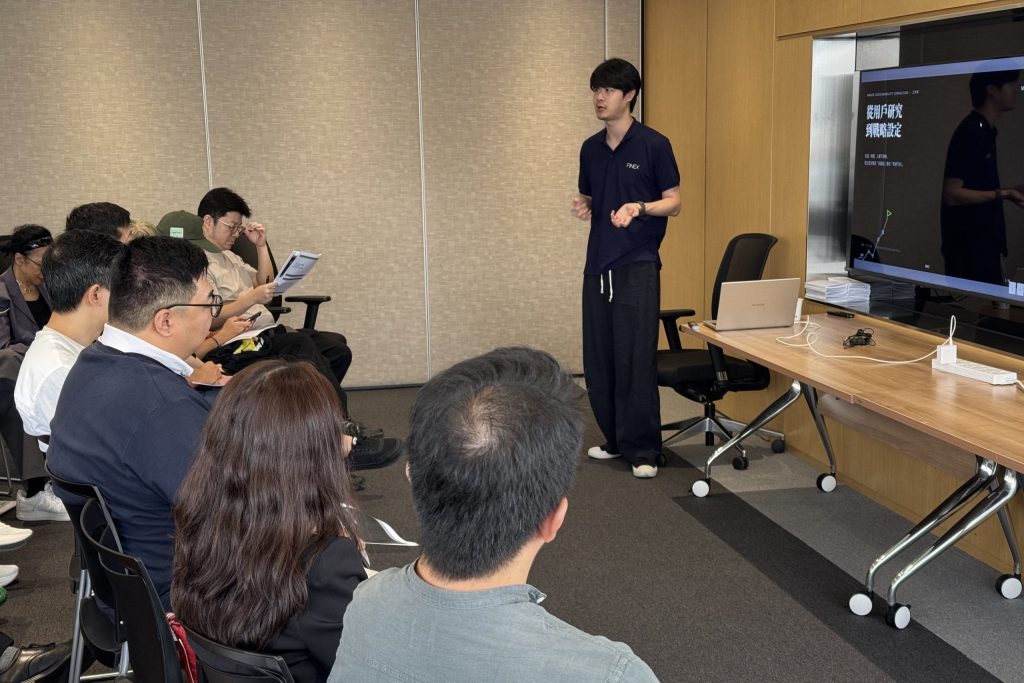


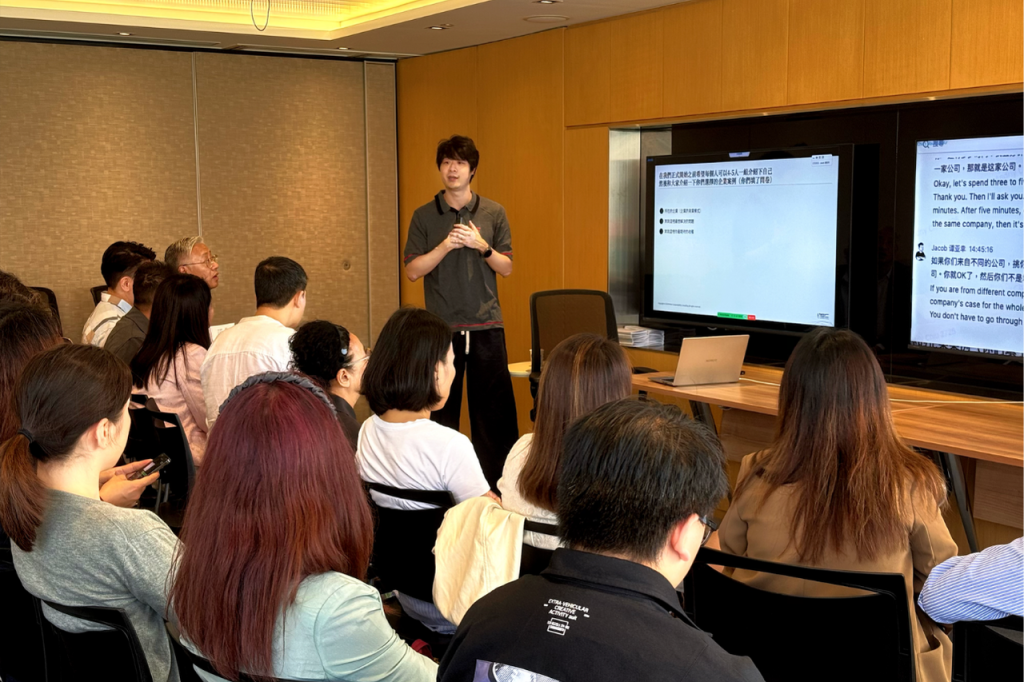
On 7 May, AWE completed the Intensive Learning Programme, “Path Design: SME Transformation Strategy, Market Selection and Business Model Design.”
In this session, we explored the question: “In the context of SMEs facing transformation and development, how should we think?”
The hardest part of transformation is not “figuring it out”, but asking the right questions. The most common mistake businesses make is not poor execution, but failing to classify challenges accurately at three levels: philosophy, strategy and execution. Once the right questions are asked, the answers often emerge naturally.
Philosophy, Strategy and Execution: Distinctions and Integration
We took a deep dive into the relationship between philosophy, strategy and execution — the core framework for understanding SME transformation and development.
Philosophy: the starting point of direction
Before there is consensus on philosophy, discussing strategy and execution is a waste of time. If the founding team has no shared understanding of vision or of how success is defined, even the best strategy cannot be put into practice. First, clarify the “why”, then move on to the “what” and the “how”.
Questions at the philosophical level are often subjective — they stem from the founder’s judgment about the business. For example, a first-generation owner and a second-generation successor may define “success” very differently: the first generation may see protecting market share as success, while the second generation may believe that innovation and breakthroughs are essential. If this philosophical disagreement is not resolved, any strategic discussion is meaningless.
Follow-up questions are key. When faced with a challenge, keep asking “why” until you reach the root cause. For example, the problem of “not having funding for market research” may, after deeper questioning, reveal the real issue: there is no shared consensus at the philosophical level about the value of investing in market research.
Strategy: choosing the path
Strategy is about making the most appropriate choice based on an objective understanding of the market, industry and consumers, once philosophy has been established. It answers the questions of “what to do” and “which route to choose”. The essence of strategy is finding the best possible outcome among multiple trade-offs. But that “best” outcome must be built on philosophical consensus. If there is no agreement at the philosophical level about what success looks like, strategy cannot even begin.
Execution: ensuring results
Execution determines success or failure. Rather than waiting for the right moment, it is better to bring the team together at once to classify the challenges and build consensus. Execution is the only route by which strategy becomes results. But execution depends on strategic clarity. If the strategy is uncertain about what to do — and what not to do — the implementation team will become lost.
From the perspective of the well-being economy, it is especially important for business decision-makers to clearly distinguish and integrate philosophy, strategy and execution. Integrating sustainable development into strategy can significantly enhance a company’s competitiveness. When the philosophical level has a clear definition of well-being, strategy can identify a path that creates both business and social value, and execution becomes more purposeful.
Only by asking the right questions, building consensus and taking decisive action can we truly achieve sustainable transformation and growth.