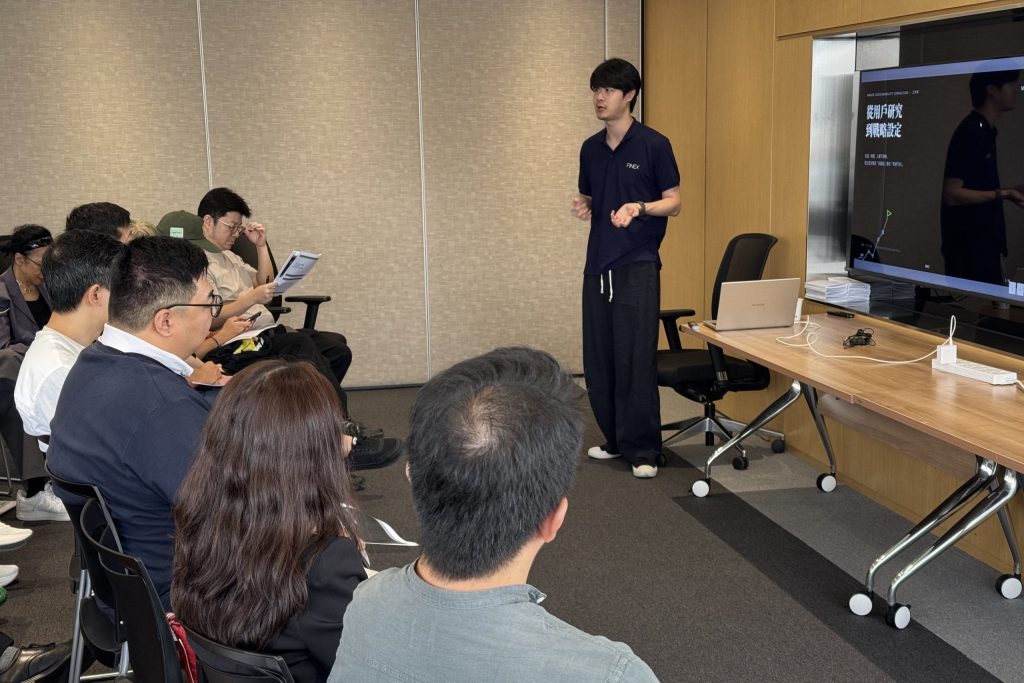


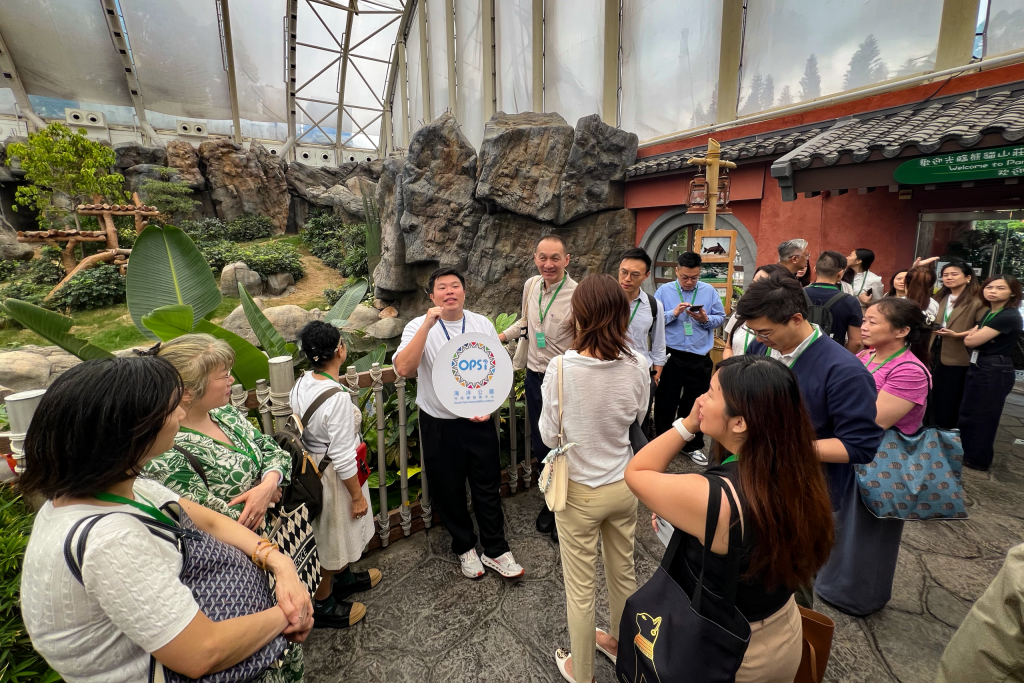
On April 23, the AWE Exploration Series: Empowering ESG Development For SMEs was successfully concluded. We would like to thank the Ocean Park Sustainability Institute (OPSI) for inviting AWE to participate in its focused discussion group on future products and services. Together, we explored how to more effectively support SMEs in becoming nature-positive businesses.
During the discussion, valuable insights were gathered from various SMEs and sustainability consultants. A key takeaway was that for businesses to truly become nature-positive, it is essential to build a complete narrative and action pathway that connects ecosystems, business value, and consumer understanding.
Several key points were raised during the session:
- Everyone exists within the broader system of life. Businesses must first understand their relationship with ecosystems before they can begin contributing meaningfully to the whole.
- Ecological information is often overwhelming, and there is a knowledge gap between businesses and consumers. What is needed is a more structured knowledge system that is closely aligned with business contexts, along with a business community that facilitates exchange and learning.
- The key to a business ecosystem is not merely “building” it, but ensuring it can accommodate diverse stakeholder needs and sustain ongoing participation, thereby driving real economic activities and collaboration.
- Being nature-positive should not be seen merely as a cost, but as an opportunity for businesses to identify new value propositions from their ecological interconnectedness and establish best-practice pathways.
- Certification is not the core issue. What matters is the actions businesses take to achieve certification, and how the entire business ecosystem can be interconnected so that consumers understand the true value behind what certification represents.
AWE was delighted to collaborate with our corporate members and OPSI in this dialogue, focusing on how businesses can create impact while making organisational development more sustainable. This conversation has also opened up new directions for future collaboration and product and service design.
We believe that by cultivating an ecosystem centred on holistic well-being, sustainable development, and collaborative co-creation—and by working across sectors to make nature-positivity understandable, accessible, and shareable—the well-being economy will no longer remain just an ideal, but become a new driving force for real economic development.